Community Profile
Location
Portugal
Alentejo
Near Abela
Founded
2021
Population
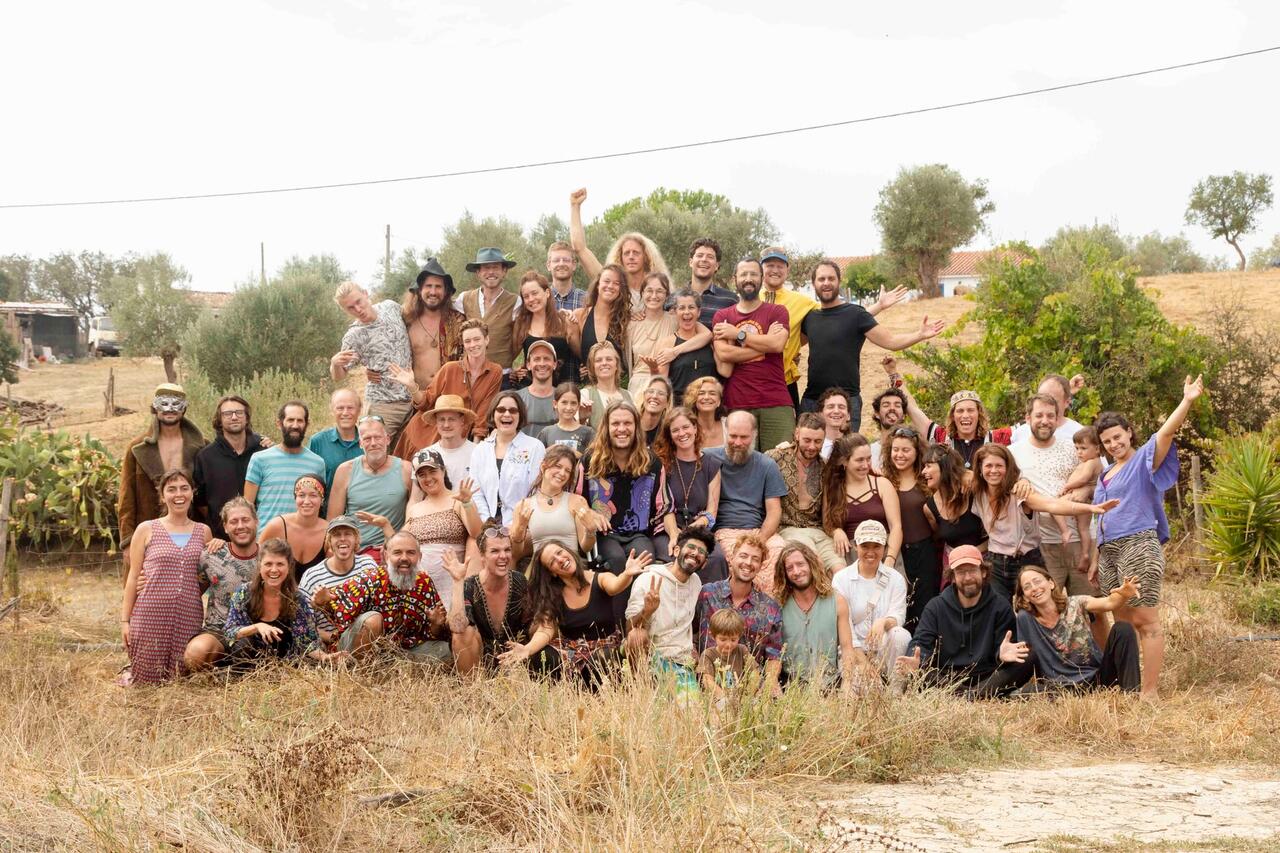
15 total
15 adults
0Governance
DAO (Decentralized Autonomous Organization) with weighted voting based on tokens, presence, and contribution
Land
25 hectares
Land held in trust by Swiss nonprofit, governed by DAO
Legal Structure
OASA Association (Swiss nonprofit)
Economy
Token sales funding development, member loans, future hospitality/restaurant income. Work-for-tokens program for team members
Access
Open
Token-based: 1 token = 1 night per year. Monthly minimum stays, residencies, and stewardship programs available
Tags
Research Overview
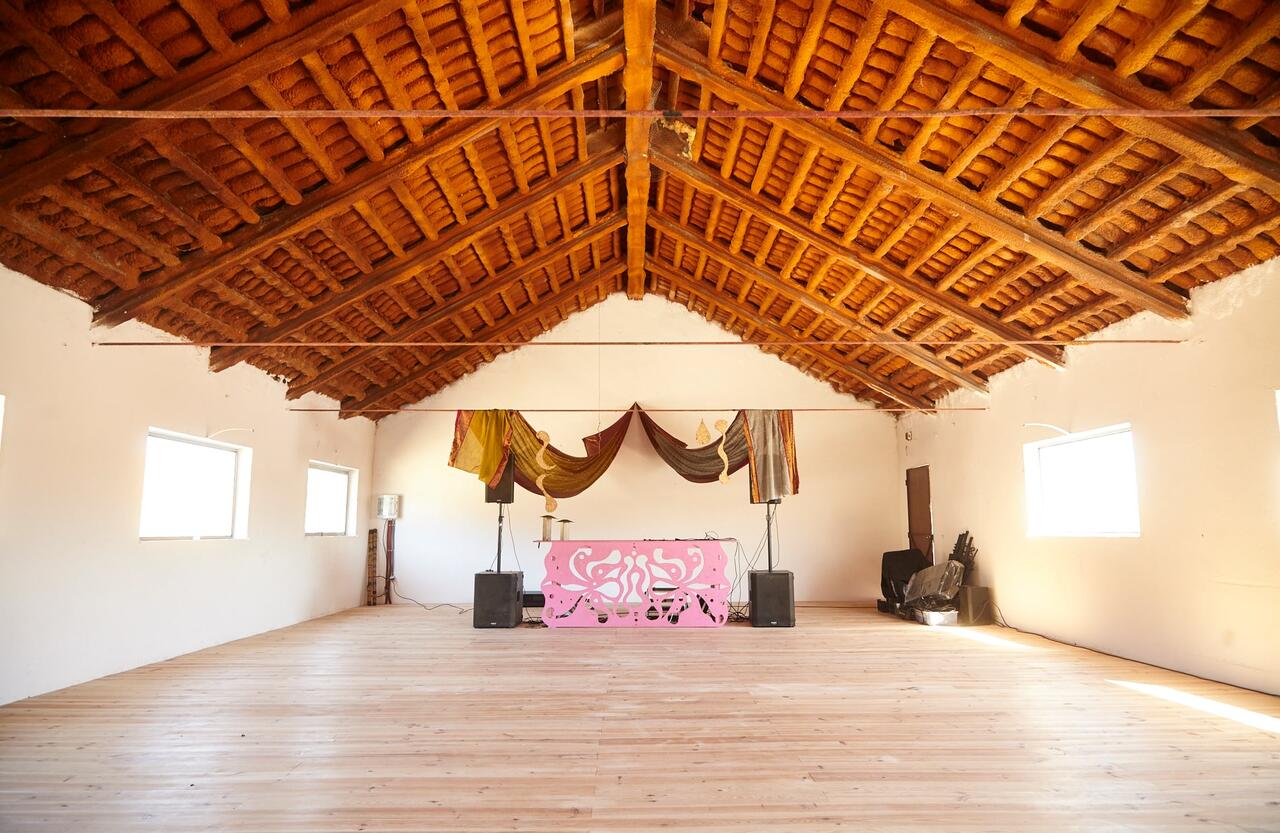
Traditional Dream Factory (TDF) is an experimental regenerative village in Alentejo, Portugal, founded in 2021-2022. The project converts a former industrial chicken farm into a co-living, co-working, and event space while regenerating 25 hectares of surrounding land through agroforestry. TDF pioneered a token-based ownership model where one token equals one night's stay. The project aims to flip traditional real estate development by creating spaces where people build belonging and stewardship rather than extraction. The land is held by a Swiss nonprofit, with governance through a DAO (decentralized autonomous organization) where token holders vote on major decisions. The community embraces 'land-based nomadism' - allowing people to move globally while maintaining a reliable base to return to. It combines Burning Man culture values (radical inclusion, immediacy, co-creation) with serious land regeneration and modern technology infrastructure. As of 2025, TDF has 277 token holders and runs programs including month-long residencies, three-month stewardship programs, and a six-month co-housing onboarding process. The project vision spans 1000 years, with all tokens as one-way entries to the commons - non-refundable and designed to keep land permanently in collective stewardship.
Structure
Ownership Model
Token-based commons held by Swiss nonprofit, blockchain governance
Economic Model
Token sales funding development, member loans, future hospitality/restaurant income. Work-for-tokens program for team members
Timeline
Sam arrived in Portugal during COVID, began searching for land.
September: first visit to the property; concept and name emerged.
April: moved onto the land, began infrastructure setup.
September: hosted first major event 'Rebuild' with 100+ people.
Began selling tokens as primary funding mechanism. Token launch failed in August despite tens of thousands spent on marketing; entire team left as cash ran out. Founder Sam Delesque resumed leadership in September after having stepped down as director earlier in the year.
Started issuing member loans; raised €400,000. New land managers Ofer and Mika consolidated years of permaculture work into a unified masterplan that became TDF's guiding development plan.
Acquired 25 hectares of surrounding land for co-housing development.
Total capital raised: €1.2 million, 277 token holders.
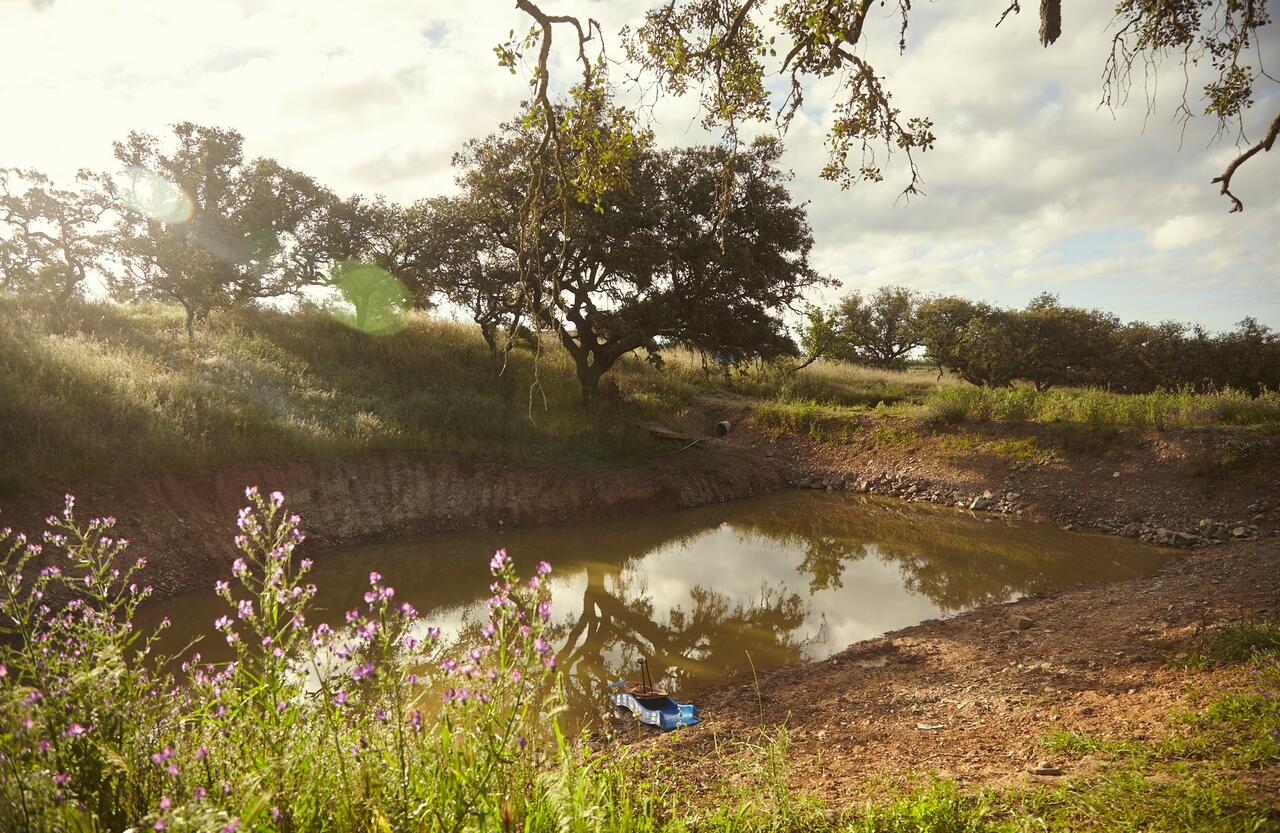
Water table rose from 20 metres below ground in previous years to 3 metres after years of water conservation work. 1.2 million litres of rainwater storage capacity built across multiple lakes, ponds, and a 500m3 reinforced concrete pool used as irrigation reserve.
Series of European storms with 300% rainfall anomaly caused infrastructure damage. Project launched a 4-stage capital raise to consolidate assets under the company, install solar across the roofs, build a licensed restaurant, and complete hospitality suites.
Founder Sam Delesque stepped back from speaking engagements following a serious health diagnosis.
Key Insights
- Blockchain technology can solve traditional community governance failures by creating transparent, cryptographically-verified decision-making systems
- Land-based nomadism offers a new model: people can move globally while maintaining reliable anchor points to return to
- One-way token entry to commons (non-refundable by nonprofit) protects land from speculative dynamics across generations
- Communities need both long-term vision (1000 years) and short-term action ('bipolar planning') to avoid getting stuck in fantasy
- Recognition and feeling seen is the primary reason people stay or leave - more important than systems or vision
- Monthly minimum stays filter for cultural alignment before deeper commitment
- The 'searching vs choosing' mindset: commitment grows when people shift from constantly comparing to actively choosing to belong
- Building phase creates natural unity through shared creation and mutual reliance
- Language barriers are the primary obstacle to local integration, requiring structured collective learning
- Financing blocks dissolve when people shift from scarcity to recognizing existing networks, angel investors, and alternative pooling models
Research Insights
Tias describes a shift in focus from personal financial gain to collective goals, indicating a desire for economic practices that prioritize community benefit over profit.
Tias from Traditional Dream Factory
This reflects a potential shift towards alternative economic models that emphasize mutual aid and the collective good rather than individual wealth accumulation.
Luna emphasizes that community living requires a commitment to collective well-being over individualism, indicating that not everyone is suited for this lifestyle due to its demanding nature.
Luna from Traditional Dream Factory
This highlights the importance of understanding who thrives in intentional communities and the necessary mindset shifts for sustainable belonging.
Voices & Stories

Julia & Tias at the workshop

Julia & Tias at the workshop

Tonya at TDF summer 2025
Photo Story